

To understand the stability of Antarctica’s Riiser-Larsen Ice Shelf, a European team intends to look underneath the ice and through it. On 12 November, the University of Gothenburg outlined its six-year project, supported by the European Research Council.
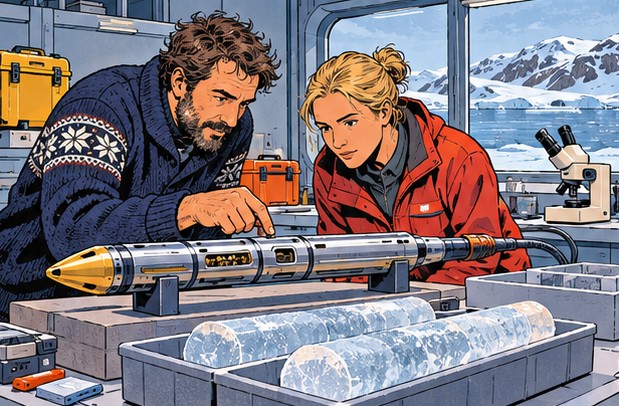
A large underwater robot, Ran II, is intended to map the underside of the shelf and help investigate the effects of ocean currents. A slimmer vehicle built in Gothenburg is designed to fit through a borehole. The university showed this second robot being tested beneath the ice of Lake Aspen in Sweden. Each vehicle offers a different view of the same ice shelf.
The team plans icebreaker expeditions in 2028 and 2030 and a land-based campaign in 2029. The announcement documents the funding and preparations in Sweden. Measurements from beneath the Antarctic shelf depend on those future expeditions.